Ages: 7-11
Contributor:
Cazoom Maths Worksheets
Contributor:
Cazoom Maths Worksheets
A wide range of activity sheets linked to negative numbers.
If you use these resources with your children, leave a comment below!
A wide range of activity sheets linked to negative numbers.
If you use these resources with your children, leave a comment below!
Buy This Book * More books by Michael Foreman
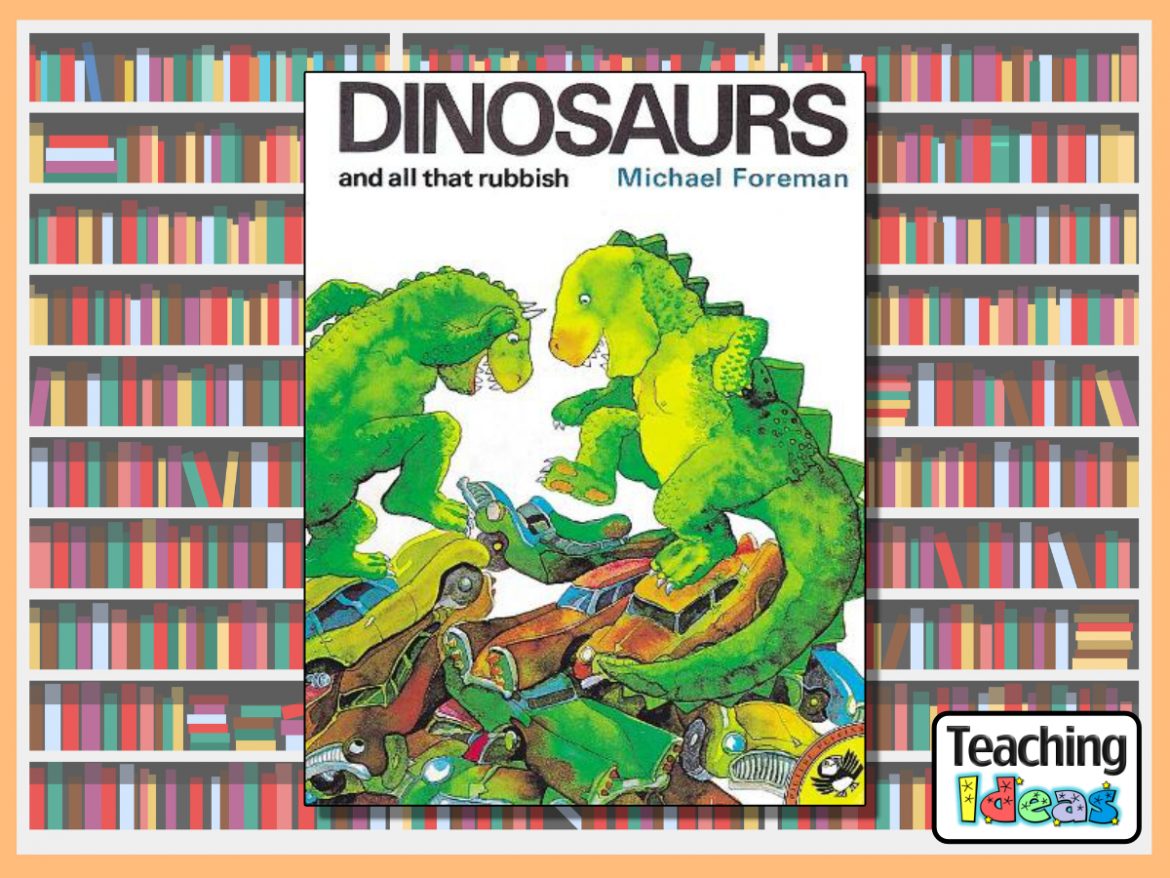
Dinosaurs have taken over the Earth! They’re stomping and stamping all over the place.
Young readers will love discovering why in this classic environmental tale from best-selling author / illustrator Michael Foreman.

Buy This Book * More books by Julia Donaldson
A warm tale about a friendly giant whose heart is better than his dress sense!
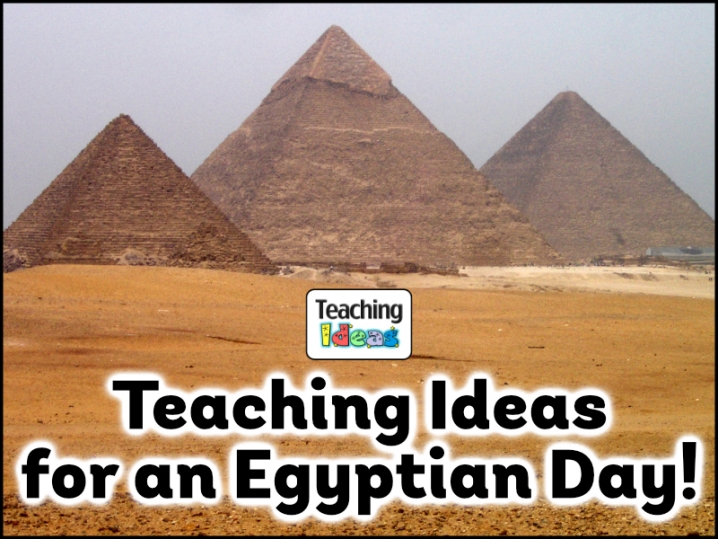
Learn about Ancient Egypt by having an Egyptian Day in your classroom! Our post has plenty of cross-curricular ideas to try with your children. These ideas could also be used as part of History lessons in a week, month or term.
Remember to download our popular Egyptians resource pack too!
1) Choose a child to go and sit on a throne which faces away from your circle of children.
2) Let them put on a crown and be the Queen/King.
3) Get a servant to approach them by indicating that it is their turn by pointing to them(making sure no one gives away who it is).
4) Get the child you pointed to to creep up behind the Queen/King and say “Good Afternoon, Your Majesty” in a silly voice whilst the person on the throne has to guess who it was.
5) If the child can guess who it was from the voice, they get a round of applause and a chorus of “Congratulations, Your Majesty” from the rest of the class and the child who crept up gets a go.
It takes a lot of practice to get some silly voices going, but they love it!!
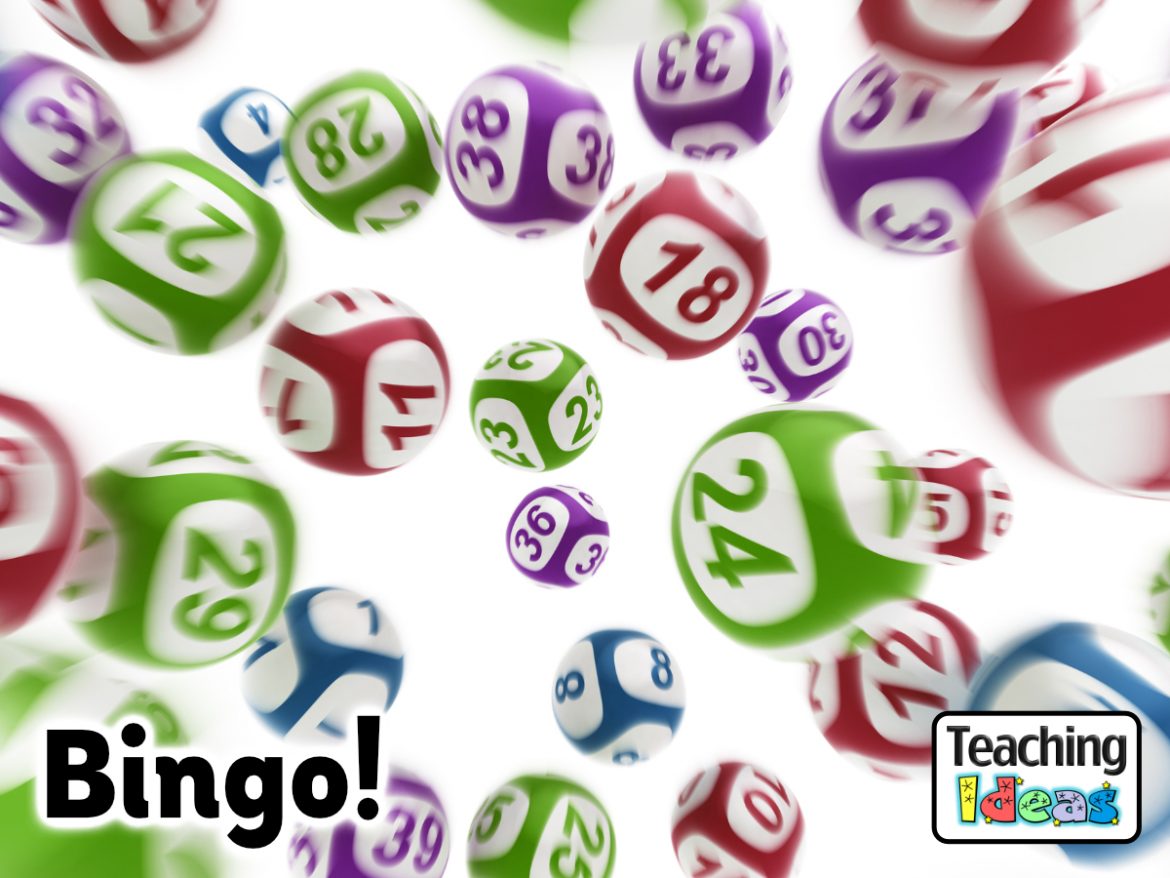
To play Bingo, you will need a set of Bingo cards (enough for one child each) and some counters / buttons (approx. 9 each). Although the initial creation of all of the cards may be time-consuming, once they have been made, they can be used again and again.
The Bingo cards can be made by yourself or the children using pieces of A4 card. Each A4 sheet should be split into four rectangles, with 9 numbers in each rectangle (ranging from 1 to 50), as in the picture on the right. The cards should then be cut out and it might be a good ideas to laminate them so that they will last for even longer.
A set of 32 Bingo cards (in PDF) can be found below. Simply print them onto card, and they’re ready to use! A tick list is also available for you to mark off the numbers which have been called.
Once you have the cards and the counters, the class can play. The difference between this Bingo game and normal Bingo is that in this game, the teacher calls out the numbers in the form of sums.
So instead of saying “two little ducks” (i.e. 22), you could say, “What is 11 x 2?” The children can then work out the sum and cover the number 22 if they have it on their card. When a child has all of the numbers on their card, they should BINGO! and win the game.
This activity can be differentiated by having different sets of cards. One set of cards with numbers ranging from one to ten could be used for very young children, while children at the top end of Key Stage 2 could have cards with numbers going up into the thousands and beyond.
Jackie Lester has also pointed out the following:
You don’t always need to have bingo cards – just write up (say) 12 numbers on the board and have a hand-held copy for the caller (to mark off the numbers used). Tell the children to choose (say) 6 of the numbers which they write on a piece of paper or in their draft books.
Devise ways to thwart cheats! My children hold up their papers with a grid of numbers showing for me and the other children to see.
Then play the game as usual, marking off the numbers you’ve used on your hand-held (hidden) copy. The children must also mark off their numbers on their grids. I use this as a mental starter, especially for learning tables – so all the numbers will be in (say) a couple of multiplication tables, and the pace is quite brisk. This game allows less speedy mathematicians a chance to win against the best, so I find that everyone is keen to take part.
A variation contributed by Miriam Tilley…
Word bingo – I made a set of boards and words based on the first 100 keywords 15 years ago, and it is brilliant for odd moments – a child can be the ‘caller’ – the first line gets a chew – full house a lolly!
Another variation, contributed by Erin Muir…
Bingo with a Twist – Each student has a piece of paper with an empty bingo grid. The teacher writes 20-25 words on the board (I use words from a topic we’ve been studying). The students choose 9 words and write them on the grid. The teacher calls out words, and the students check them off; once they have crossed off all their words, they yell… BINGO! My students LOVE this game!! Good luck!
Another variation, contributed by Erin Cheung…
Name Bingo – This is particularly good at the start of the school year when learning names. Also encourages kids to branch out of their friendship groups (initially, girls will only write girls’ names, and boys will only write boys’ names, but they quickly learn that they need a good mix!).
Ask your children to write down the alphabet and then write any animal next to the letter. eg:
and so on…
I did this activity with my children, and they enjoyed it, and it can build up their wall of words.
This activity can also be tried with lots of other topics… names / countries etc.

The free fact cards below share information about Ancient Egypt. Use them with the children in your class with our suggested teaching ideas:
If you like these resources, you may also enjoy our Egyptians teaching resource pack.
My year 6 class loves this energetic team game! It works especially well when developing throwing/catching/passing skills.
Set up the gym with a bench at each end and a row of cones/markers down the middle to divide the space into two halves. You will also need a large, soft ball for the children to throw.
Divide the class into two teams and give one team armbands or bibs. Team 1 should be in one half of the court, team 2 in the other.
Both teams choose a goalie who stands on the bench in the opposition’s half of the court.
The idea of the game is for players to throw the ball to their goalie without it being caught by the other team. As teams score goals, the scoring player joins the goalie on the bench. Children pass the ball between themselves until someone decides to shoot.
Once children have the idea, introduce rules such as
– team 1 get a free pass if team 2 throw/catch the ball outside the tram lines (if playing on a tennis court)
– If a player has the ball, they cannot move their feet apart from to change direction
– A goal is only valid if the goalie catches the ball when on the bench (not whilst falling off!)
Before playing this game, remind children of the need to be careful when standing on the benches, especially when trying to catch the ball. Make sure the benches are away from walls/other apparatus. I also use a 6-person limit to the number of goalies on the benches – subsequent goalies stand on the floor at either end of the bench.
This variation was suggested by Rhonda:
I set up two benches at either end so all students can stand on a bench. My variation is that all players on the bench are allowed to catch a ball that is thrown to them by a team-mate. This variation permits maximum participation of students. The games go more quickly, I imagine, but we changed starting goalies and have another round.

Learn about the life and achievements of the artist Giuseppe Arcimboldo with our free, downloadable fact cards!
Why not use these as the starting point for discussion about the artist or add them to a classroom display board?
You could also ask your children to find out more about the artist and add their own facts to the blank template on the final page of the PDF.


